What Is LASER
Laser-assisted in situ keratomileusis (LASIK) is a form of lamellar corneal surgery that employs an excimer laser ablation of the corneal stroma beneath a hinged corneal flap.
LASIK combines lamellar corneal surgery with the accuracy of the excimer laser. It involves the excimer laser ablation of the corneal stroma beneath a hinged corneal flap that is created with a microkeratome or a femtosecond laser.
LASIK has been used to correct up to 15.00 D of myopia, 6.00 D of hyperopia, and up to 6.00 D of astigmatism.
CUSTOM LASIK
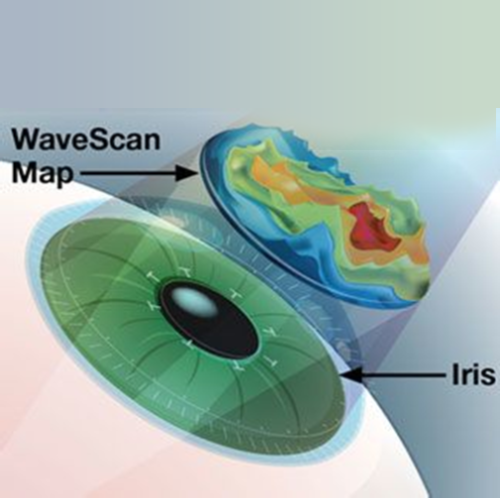
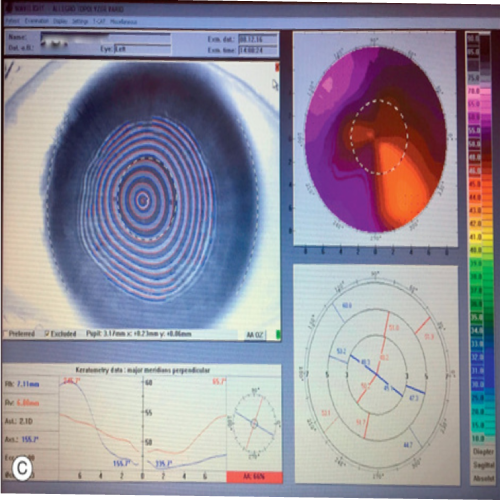
Wavefront-guided (WFG) LASIK, also called custom LASIK, is a variation in which the excimer laser ablates a sophisticated pattern based on measurements from an aberrometer.
The goal of WFG LASIK is to achieve an improved ablation based on the optical aberrations measured with the wavefront aberrometer, not just sphere and cylinder (lower-order aberrations).
There are other types of optical aberrations in the visual pathway of the eye, such as coma and spherical aberration, collectively called higher-order aberrations (HOA). Wavefront technology measures both the lower-order aberrations and HOA, improving the precision of refraction to 0.1 D or smaller.
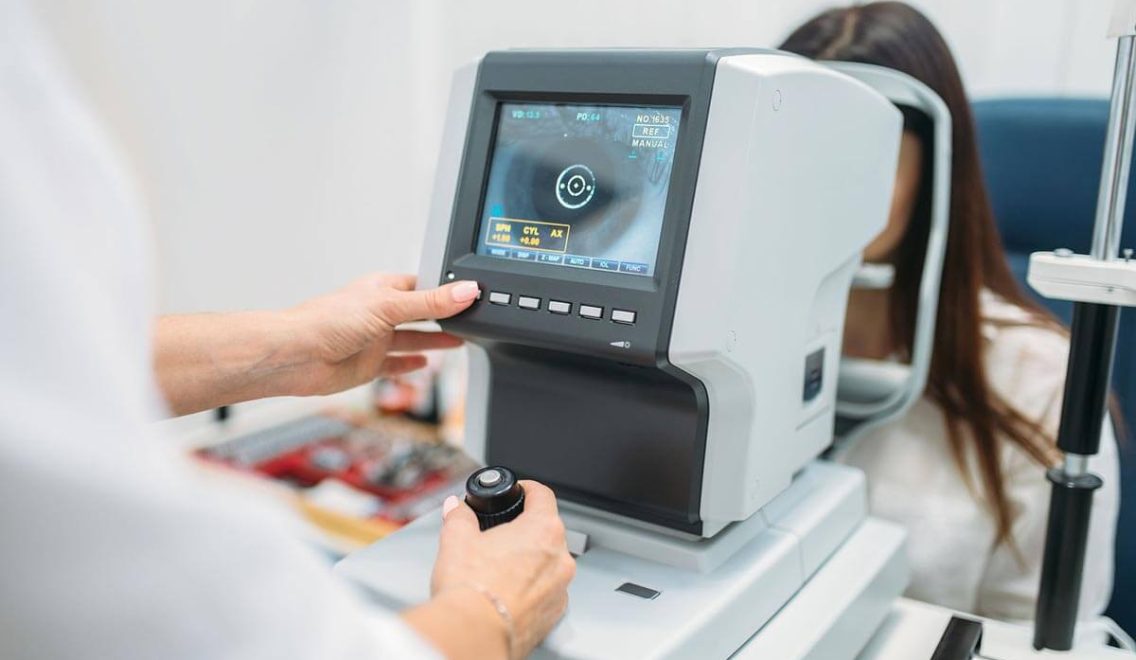
There are several methods that can be used to measure the wavefront: Tscherning, dynamic skiascopy, ray tracing, and Hartmann–Shack. All methods evaluate how light is modified as it passes through the lens and cornea, and a wavefront is constructed by analyzing the exiting light rays. The shape of the wavefront describes the total aberration of the eye.
The size of the wavefront (cross-sectional area) is determined by the size of the entrance pupil.
Basic Science of the Lens
A normally transparent intraocular structure whose function is to alter the pathway of light that has entered the eye to focus the image on the retina.
- The lens comprises three parts: (1) the capsule, (2) the lens epithelium, and (3) the lens fibers.
- α-, β- and γ-crystallins constitute 90% of the total protein content of the lens.
- Lens function is dependent on the metabolism of glucose to produce energy, protein synthesis, and a complex antioxidant system.
Lens transparency is dependent on the highly organized structure of the lens, the dense packing of crystallin, and the supply of appropriate nutrients.
- The lens can change its focusing power through a process called accommodation.
The lens exhibits age-related changes in structure, light transmission, metabolic capacity, and enzyme activity.
Secondary cataract occurs when residual lens cells after cataract extraction cause opacification of the visual axis.
Fluctuación De La Presión Intraocular
- La PIO varía según la hora del día (variación circadiana), los latidos cardiacos, la tensión arterial, y la respiración.
- El patrón diurno varia con tendencia a ser mayor por la mañana y menor por la tarde, esto se debe a la variación circadiana en la síntesis del humor acuoso, que es menor por la noche.
- Los ojos glaucomatosos muestran fluctuaciones mayores de lo normal, cuya amplitud es directamente proporcional a la probabilidad de daño progresivo del campo visual, por lo que una medición aislada puede ser poco orientativa.
- Es una buena costumbre anotar la hora del día en que se mide la PIO.
Introduction
The lens is a vital refractive element of the human eye. The World Health Organization estimates that lens pathology (cataract) is the most common cause of blindness worldwide, affecting over 17 million people.1 Not surprisingly, cataract surgery is the most common procedure performed in the developed world.2 An understanding of the basic science of the lens provides valuable insight into the various pathologies involving the lens and their treatment
Introduction
Key Features
- Cataracts develop earlier in developing countries, and the cataract surgical rates are lower, resulting in a higher prevalence of cataracts. But improved provision of cataract surgery in some developing nations has significantly reduced cataract prevalence.
- • Factors in cataract pathogenesis include lens protein oxidation, mitochondrial function, failure of protective mechanisms, protein modification, and abnormalities of calcium metabolism, cellular proliferation, and differentiation.
- • An accumulation of environmental insults (e.g., ultraviolet light, toxins, drugs, and systemic diseases) results in age-related cataracts. Minor risk factors such as ultraviolet B exposure and smoking can be modified.
CONCLUSIONES
- El tratamiento precoz reduce la incidencia acumulada de glaucoma
- El efecto es mayor en personas de alto riesgo
- La evaluación personalizada es útil y ayuda a orientar el tratamiento
- El uso de medicación sistémica puede influir en la PIO, elevándola (Corticoides), reduciéndola (Betabloqueantes).
- Las fotografías de RETINA son indispensables para un análisis detallado del nervio óptico.
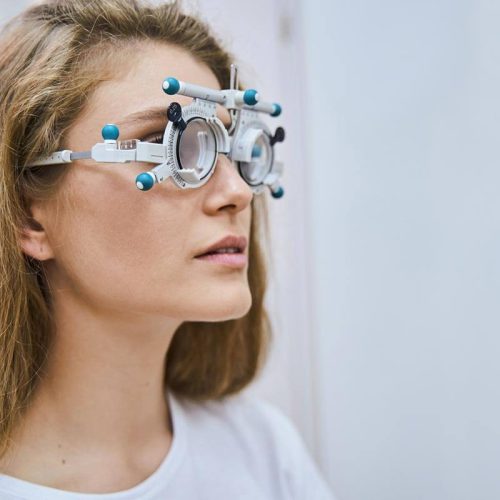
Based on your specific case, the doctor may perform any of the following tests:
Lectus sit amet est placerat in egestas erat imperdiet sed. Mauris rhoncus aenean vel elit scelerisque. Lobortis nibh tellus molestie nunc non blandit. Tellus in hac habitasse platea dictumst vestibulum rhoncus est pellentesque.
Sagittis purus sit amet volutpat consequat mauris. At lectus urna duis convallis convallis tellus id interdum. Vitae justo eget magna fermentum. Adipiscing tristique risus nec feugiat. Justo nec ultrices dui sapien eget mi proin
Dr. Zella Koelpin
Book an Eye Care Appointment Today
Why OptiOne Clinic?
Highly Qualified Specialists
Ut sem viverra aliquet eget sit amet tellus cras. Nisl pretium fusce id velit. Sagittis aliquam malesuada bibendum arcu
Modern Ophthalmology
Velit ut tortor pretium viverra suspendisse potenti nullam ac. Quis hendrerit dolor magna eget est lorem ultrices
Eye Examination and
Сonsultation
Performed Laser Surgical Corrections
Online Appointment Processed by the Opto