What is a Eyelid Surgery?
Ptosis correction
Ptosis occurs when one or both upper eyelids sag, potentially impeding peripheral or central vision. Unilateral ptosis may result in facial asymmetry, while bilateral drooping can give the appearance of tiredness.
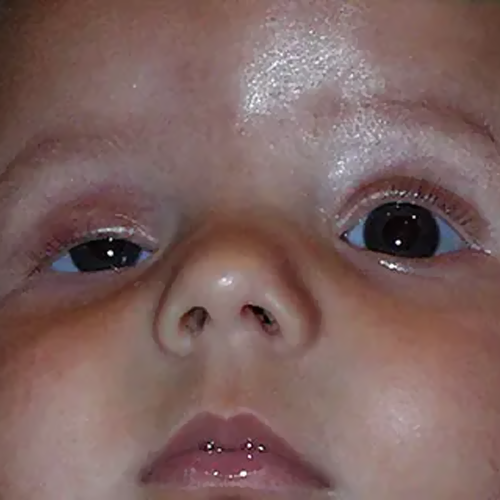
Congenital ptosis, present from birth, may prompt compensatory actions in children, such as raising eyebrows or tilting the head to enhance vision. This condition can hinder the development of clear eyesight, as the drooping or misshapen eyelids often lead to uneven focus in both eyes, necessitating the use of eyeglasses for improved clarity.
Following a thorough eye examination, the pediatric ophthalmologist may suggest eyelid surgery for the child. Typically performed during the preschool years, typically between ages 3 to 5, this procedure aims to address ptosis.
Ptosis can also manifest in adulthood, often arising after different eye surgeries or due to eyelid swelling. During ptosis surgery, the ophthalmologist enhances the eyelid muscle by shortening it. This corrective measure lifts the drooping lid, not only enhancing vision but also improving the overall appearance of the eye.
Blepharoplasty to remove excess eyelid skin
The thin nature of eyelid skin can lead to stretching over time, resulting in excess skin. If the upper eyelid is affected, it may restrict peripheral vision, while excess lower eyelid skin is commonly referred to as “bags” under the eyes.
Ophthalmologists perform blepharoplasty to address this issue by removing surplus eyelid skin. During the procedure, the surgeon may also eliminate extra fatty tissue near the eyelid and tighten associated muscles and tissue. This surgical intervention aims to enhance the definition around the eye, providing a more refreshed and alert appearance while reducing the tired look.
Ectropion/ Entropion repair
Ectropion occurs when the lower eyelid droops and turns outward, a condition that may arise from factors like aging, skin disease, tumors, trauma, or eyelid burns. This condition can result in dry, watery eyes, and heightened sensitivity to light and wind.
Conversely, entropion occurs when the lower eyelid turns inward toward the eyeball, potentially caused by aging, infection, or scarring within the eyelid. This inward rotation may lead to irritation as eyelashes and skin rub against the eye, causing redness and excessive tearing. Untreated entropion poses a risk of corneal infection. Surgical intervention for both ectropion and entropion restores the eyelid to its normal position, alleviating pain and irritation symptoms while safeguarding the eye.
What to expect from eyelid surgery
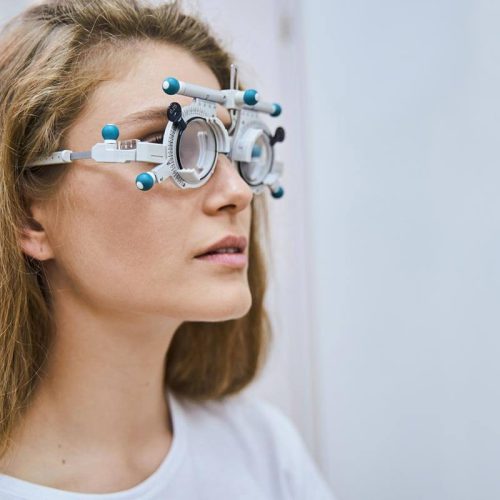
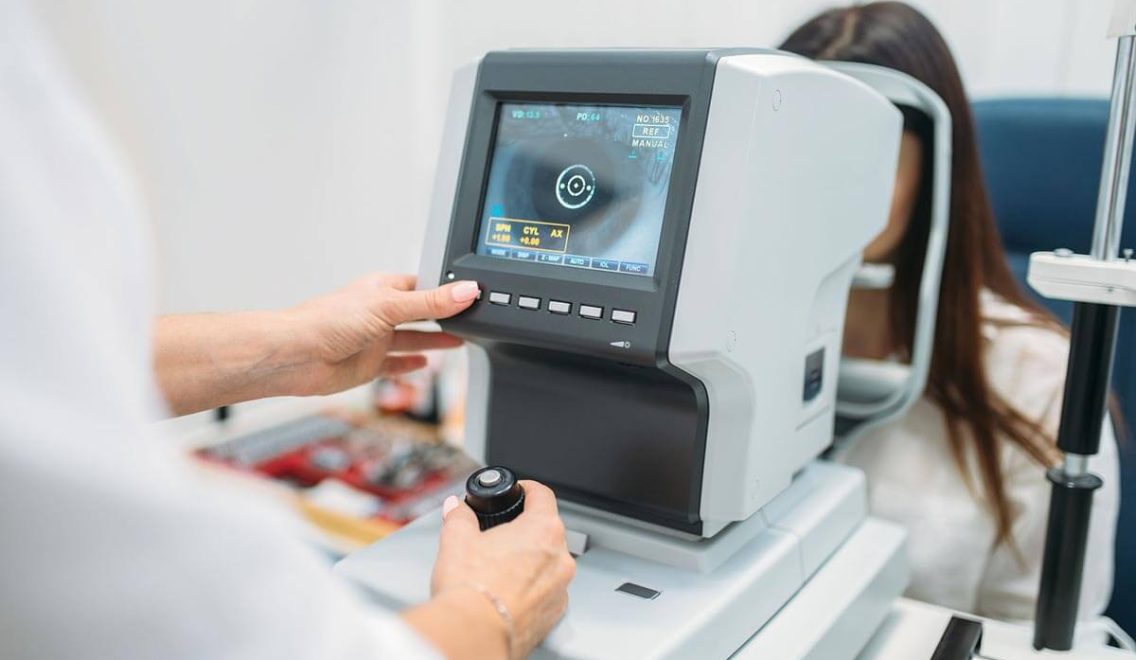
Eyelid surgeries are predominantly outpatient procedures, employing local anesthesia for numbing the eye and its surrounding regions. This approach ensures a streamlined process without the need for overnight hospital stays. Before the surgery, your ophthalmologist will conduct a comprehensive eye examination, engaging in discussions about various treatment options. As part of the pre-surgical assessment, they may capture photographs of your eyes and perform side vision tests to gather essential information for a tailored and effective surgical plan.
In this collaborative process, your ophthalmologist aims to address your specific concerns and ensure that you are well-informed about the procedure. This thorough examination and consultation contribute to a personalized and efficient eyelid surgery experience, fostering optimal outcomes and post-operative satisfaction.
Eyelid surgery tips
Before eyelid surgery, be sure to tell your ophthalmologist about all the medicines you take. Include all prescription and over-the-counter medications, vitamins, and supplements. It is important for your eye surgeon to know if you take aspirin (or aspirin-containing drugs) or blood thinners, or if you have a bleeding problem.
As with any type of surgery, there are possible risks and complications with eyelid surgery. Your ophthalmologist will discuss these with you.
Risk Factors for the Occurrence of Glaucoma in Ocular Hypertension
- INTRAOCULAR PRESSURE: The risk of suffering from glaucoma increases with the level of IOP.
- AGE: The older the age, the greater the risk
- African ethnicity is associated with increased risk of glaucoma.
- Men are more likely to suffer from glaucoma.
- The presence of heart disease is a significant risk factor.
- Myopia
- Diabetes
- Family background
CONCLUSIONS
- Early treatment reduces the cumulative incidence of glaucoma
- The effect is greater in high-risk people
- Personalized evaluation is useful and helps guide treatment
- The use of systemic medication can influence IOP, raising it (Corticosteroids) or reducing it (Beta-blockers).
- RETINA photographs are essential for a detailed analysis of the optic nerve.
Based on your specific case, the doctor may perform any of the following tests:
Lectus sit amet est placerat in egestas erat imperdiet sed. Mauris rhoncus aenean vel elit scelerisque. Lobortis nibh tellus molestie nunc non blandit. Tellus in hac habitasse platea dictumst vestibulum rhoncus est pellentesque.
Sagittis purus sit amet volutpat consequat mauris. At lectus urna duis convallis convallis tellus id interdum. Vitae justo eget magna fermentum. Adipiscing tristique risus nec feugiat. Justo nec ultrices dui sapien eget mi proin
Dr Fabian Sanabria
Book an Appointment Today
HD Laser Refractive Surgery
It is the most up-to-date procedure to effectively correct refractive errors such as myopia
Corneal Transplant-Keratoplasty
Corneal transplant consists of replacing the host’s diseased corneal tissue with a healthy cornea from a donor.
Book an Eye Care Appointment Today
Why choose the Optix Clinic?
Why Optix Laser Clinic?
Highly Qualified Specialists
Our team comprises highly qualified specialists, bringing exceptional expertise to deliver top-notch solutions tailored to your needs.
Modern Ophthalmology
Revolutionizing eye care through modern ophthalmology techniques, ensuring precise diagnoses and cutting-edge treatments for optimal vision health.
Visual Exams
Performed Laser Surgical Corrections
Online Appointment Processed by the Opto
Why Optix Laser Clinic?
Highly Qualified Specialists
Our team comprises highly qualified specialists, bringing exceptional expertise to deliver top-notch solutions tailored to your needs.
Modern Ophthalmology
Revolutionizing eye care through modern ophthalmology techniques, ensuring precise diagnoses and cutting-edge treatments for optimal vision health.
Eye Examination and
Сonsultation
Performed Laser Surgical Corrections
Online Appointment Processed by the Opto