It is a chronic progressive optic neuropathy that appears in adulthood.
It is characterized by:
Thinning of the retinal nerve fiber layer.
Glaucomatous injury to the optic nerve.
Visual field defects as the lesion progresses.
The death of retinal ganglion cells in glaucoma occurs primarily by apoptosis (programmed cell death), rather than necrosis.
MechanismsInvolvedinGlaucoma:
DIRECT MECHANICAL INJURY: of the retinal nerve fibers in the head of the optic nerve, perhaps at the point where they cross the cribriform plate.
ISCHEMIC INJURY: possibly due to compression of the blood vessels that supply the optic nerve head. This could explain why ocular perfusion pressure is a risk factor for glaucoma.
COMMON PATHWAYS OF INJURY: Both mechanisms could lead to a reduction in axoplasmic flow, difficulties in the arrival of nutrients or withdrawal of metabolic products, deprivation of nerve growth factors.
Glaucoma affects 2-3% of people over 40 years of age, although up to half of cases may be undiagnosed.
Intraocularpressure
Intraocular pressure (IOP) depends on the balance between the rate of aqueous humor production and the rate of aqueous humor drainage.
It is related to the resistance found in the trabecular meshwork and the level of episcleral venous pressure.
NormalIntraocularPressure
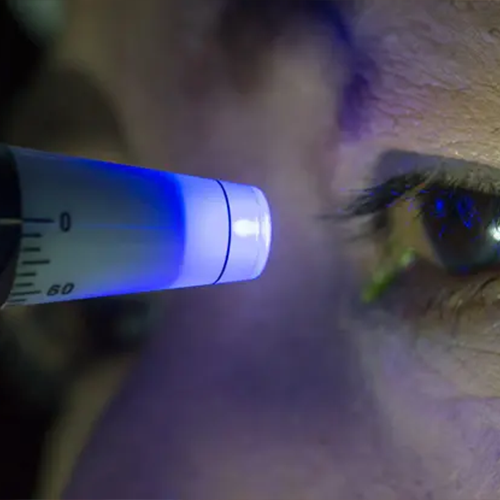
The upper limit in adults is 21mmHg using tonometry.
Some people will experience glaucomatous damage less than 21 mmHg.
IOP reduction is a fundamental modifiable element in all types of glaucoma
Some factors affect the susceptibility of the optic nerve to injury, such as the integrity of its vascularization and the structural vulnerability to mechanical stress on the optic nerve head.
IntraocularPressureFluctuation
IOP varies depending on the time of day (circadian variation), heartbeat, blood pressure, and breathing.
The diurnal pattern varies with a tendency to be greater in the morning and less in the afternoon, this is due to the circadian variation in the synthesis of aqueous humor, which is less at night.
Glaucomatous eyes show fluctuations greater than normal, whose amplitude is directly proportional to the probability of progressive damage to the visual field, so an isolated measurement may be of little guidance.
It is a good practice to note the time of day when the IOP is measured.
OcularHypertension
In the general population, the average IOP is 16mmHg with an IOP range of 11-21mmHg for people over 40 years of age.
It is estimated that 4-7% of the population over 40 years of age has an IOP greater than 21mmHg, with an open filtration angle and without detectable glaucomatous lesions; These people are said to suffer from EYE HYPERTENSION.
Approximately 1 in 10 people will develop GLAUCOMA within 10 years and most of them will not develop glaucoma during their lifetime.
INTRAOCULAR PRESSURE: The risk of suffering from glaucoma increases with the level of IOP.
AGE: The older the age, the greater the risk
African ethnicity is associated with increased risk of glaucoma.
Men are more likely to suffer from glaucoma.
The presence of heart disease is a significant risk factor.
Myopia
Diabetes
Family background
CONCLUSION
Early treatment reduces the cumulative incidence of glaucoma
The effect is greater in high-risk people
Personalized evaluation is useful and helps guide treatment
The use of systemic medication can influence IOP, raising it (Corticosteroids) or reducing it (Beta-blockers).
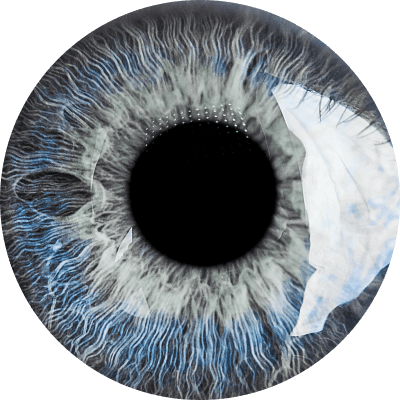
RETINA photographs are essential for a detailed analysis of the optic nerve.
Based on your specific case, the doctor may perform any of the following tests:
Visual Field Test
Lectus sit amet est placerat in egestas erat imperdiet sed. Mauris rhoncus aenean vel elit scelerisque. Lobortis nibh tellus molestie nunc non blandit. Tellus in hac habitasse platea dictumst vestibulum rhoncus est pellentesque.
Binocular Vision Assessment
Lectus sit amet est placerat in egestas erat imperdiet sed. Mauris rhoncus aenean vel elit scelerisque. Lobortis nibh tellus molestie nunc non blandit. Tellus in hac habitasse platea dictumst vestibulum rhoncus est pellentesque.
Digital Retinal Imaging
Lectus sit amet est placerat in egestas erat imperdiet sed. Mauris rhoncus aenean vel elit scelerisque. Lobortis nibh tellus molestie nunc non blandit. Tellus in hac habitasse platea dictumst vestibulum rhoncus est pellentesque.
Visual Acuity Test
Sagittis purus sit amet volutpat consequat mauris. At lectus urna duis convallis convallis tellus id interdum. Vitae justo eget magna fermentum. Adipiscing tristique risus nec feugiat. Justo nec ultrices dui sapien eget mi proin
Corneal Mapping
Sagittis purus sit amet volutpat consequat mauris. At lectus urna duis convallis convallis tellus id interdum. Vitae justo eget magna fermentum. Adipiscing tristique risus nec feugiat. Justo nec ultrices dui sapien eget mi proin
Eye Pressure Test
Sagittis purus sit amet volutpat consequat mauris. At lectus urna duis convallis convallis tellus id interdum. Vitae justo eget magna fermentum. Adipiscing tristique risus nec feugiat. Justo nec ultrices dui sapien eget mi proin
"Our optix Laser team is ready to look after all your eye emergency needs. Take care of your eye health!"
"Our optix Laser team is ready to look after all your eye emergency needs. Take care of your eye health!"
Dr Fabian Sanabria
Optometrist
BookanAppointmentToday
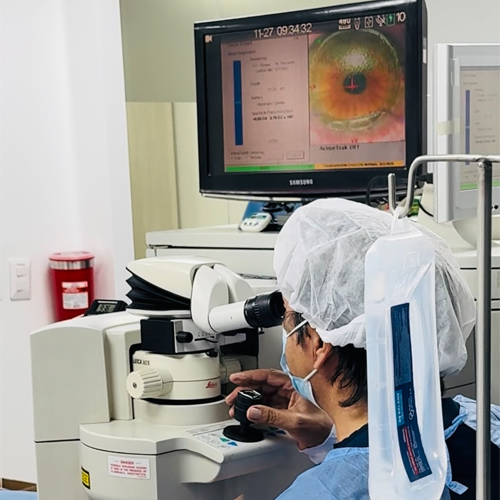
HD Laser Refractive Surgery
HD Laser Refractive Surgery
It is the most up-to-date procedure to effectively correct refractive errors such as myopia